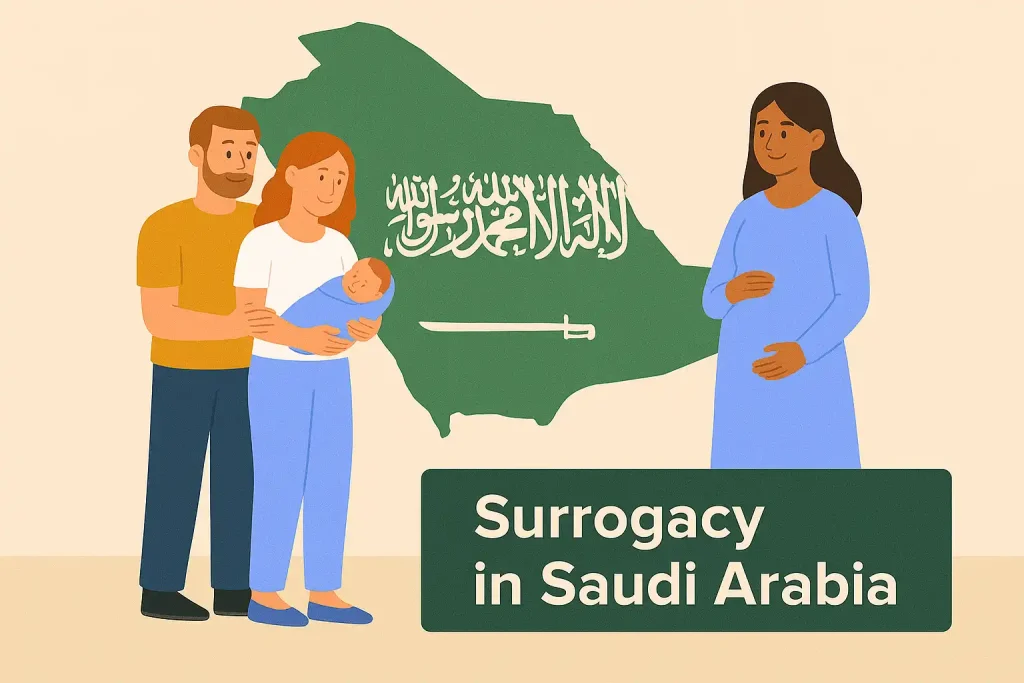
A few years back, I knew a couple in Jeddah who’d spent years chasing the dream of having kids. They went through every treatment under the sun, prayers, you name it—nothing worked. They started talking about surrogacy, which works wonders in so many places, but here in Saudi Arabia, it felt like hitting a brick wall. The strict laws and age-old traditions team up to shut that door tight. So many couples like them end up torn between what they want and what society or the rules say is okay. In this piece, I’ll break down exactly why surrogacy’s off the table in the Kingdom and walk through some real options nearby in the region—for folks who just won’t give up.
Saudi Arabia Surrogacy: Quick Facts
Key information about surrogacy laws & alternatives
Is surrogacy legal in Saudi Arabia?
Surrogacy isn’t allowed in Saudi Arabia. The ban stems from Islamic rules that protect family lines and personal rights. Religious leaders, following Sunni views, have ruled against it because it involves someone else carrying the child, which can confuse who the real parents are. If someone tries it anyway, they could face fines, prison, or damage to their reputation. Even IVF clinics restrict services to the husband and wife only—no outsiders involved. As a result, many families are left searching for solutions outside the country.
The Cultural and Religious Context
Saudi laws come straight from Sharia, which keeps childbirth tied to marriage. Surrogacy disrupts that bond by introducing a third party, raising concerns about family ties and Islamic principles. Scholars argue it goes against ideas of natural creation and could lead to issues like unclear inheritance. I’ve heard stories from friends in the region where even talking about it sparks heated debates at family gatherings. Women especially feel the pressure. Motherhood is seen as a core part of life. While IVF gets a pass if it’s within the couple, surrogacy stays out of bounds. This reflects how society often prioritizes tradition over modern advancements.
Challenges and Barriers to Surrogacy in Saudi Arabia
The issues extend beyond just the law, as close-knit communities are quick to spread the word. Surrogacy could bring shame or arguments within families. Imagine a woman agreeing to be a surrogate—she would face stares and questions about her decision. Customs like gender separation make the whole thing harder to arrange quietly. Doctors avoid it too. They don’t want to lose their jobs or face religious backlash. Couples often keep their struggles private, feeling isolated as they cycle through failed treatments. It’s no simple task. These constant challenges turn what should be a personal dream into a public ordeal. These challenges often push people to look for alternatives abroad, with little support available locally.
Surrogacy in Neighboring Countries and Alternatives
Things differ next door. In the UAE, Abu Dhabi started allowing gestational surrogacy in 2025 under new guidelines, but it’s strict—only for certain cases and with lots of rules. Dubai, though, still bans it outright. This patchwork means some options exist among surrogacy legal countries in the region, but not everywhere. Iran stands out differently. There, surrogacy has been legal for years through contracts that fit Islamic principles. It’s become a go-to for Saudis, blending familiar values with real access. More on that ahead.
Iran as an Alternative Destination for Surrogacy
Iran handles surrogacy within its Islamic framework, allowing it when the wife can’t carry the pregnancy. They use contracts to protect everyone: the surrogate mother, usually a relative, carries the couple’s embryo, and courts back it up. Saudis can enter without a visa for up to 15 days, and getting more time isn’t hard. Clinics in places like Tehran conduct health screenings, run psych evaluations, and handle paperwork so parents get rights right away. The surrogacy cost Iran is lower than in the West, and the child can claim Saudi citizenship back home. A colleague of mine shared that their relative went through this process, initially feeling anxious. But the shared culture and familiarity made the experience feel more comfortable and reassuring. It’s practical, safe, and aligns with faith for many.
Surrogacy in Islamic Perspective
Surrogacy in Islam is approached differently across the Muslim world. While Sunni-majority countries often restrict it due to lineage concerns, Shia interpretations, particularly in Iran, have developed a structured legal framework that permits surrogacy through specific Islamic contracts. This allows infertile couples to pursue parenthood while maintaining religious and ethical boundaries.
The key distinction lies in how each tradition balances Islamic principles with modern medical solutions. Iran’s model demonstrates that surrogacy in Islam can be permissible when proper safeguards protect lineage, parental rights, and the surrogate’s welfare. For a detailed exploration of Islamic rulings, conditions, and practices, visit our guide: surrogacy in islam.
Conclusion
Surrogacy stays illegal in Saudi Arabia, blocked by religious rules and cultural norms that put family purity first. The legal risks and social pressures make it tough to pursue locally. But Iran offers a solid alternative, with its legal setup, cultural fit, and easy entry for Saudis. For families ready to travel, it’s a way forward that respects their background while opening doors to parenthood.
At VitaLife, we provide a comprehensive Surrogacy in Iran program specifically designed for international intended parents. We offer a transparent, all-inclusive service that combines advanced medical care with full legal support, making the dream of parenthood both accessible and secure.