
A surrogate mother is a woman who carries and gives birth to a baby for another person or couple, known as the intended parents. In most modern surrogacy arrangements, called gestational surrogacy, the surrogate has no genetic connection to the child.
Surrogacy provides a path to parenthood for people who cannot carry a pregnancy due to infertility, medical conditions, or other personal circumstances. It is also a common family-building option for same-sex couples and single parents.
In this guide, you’ll learn the surrogate mother meaning, how surrogacy works, the different types of surrogacy, legal considerations, costs, and who can benefit from this journey to parenthood.
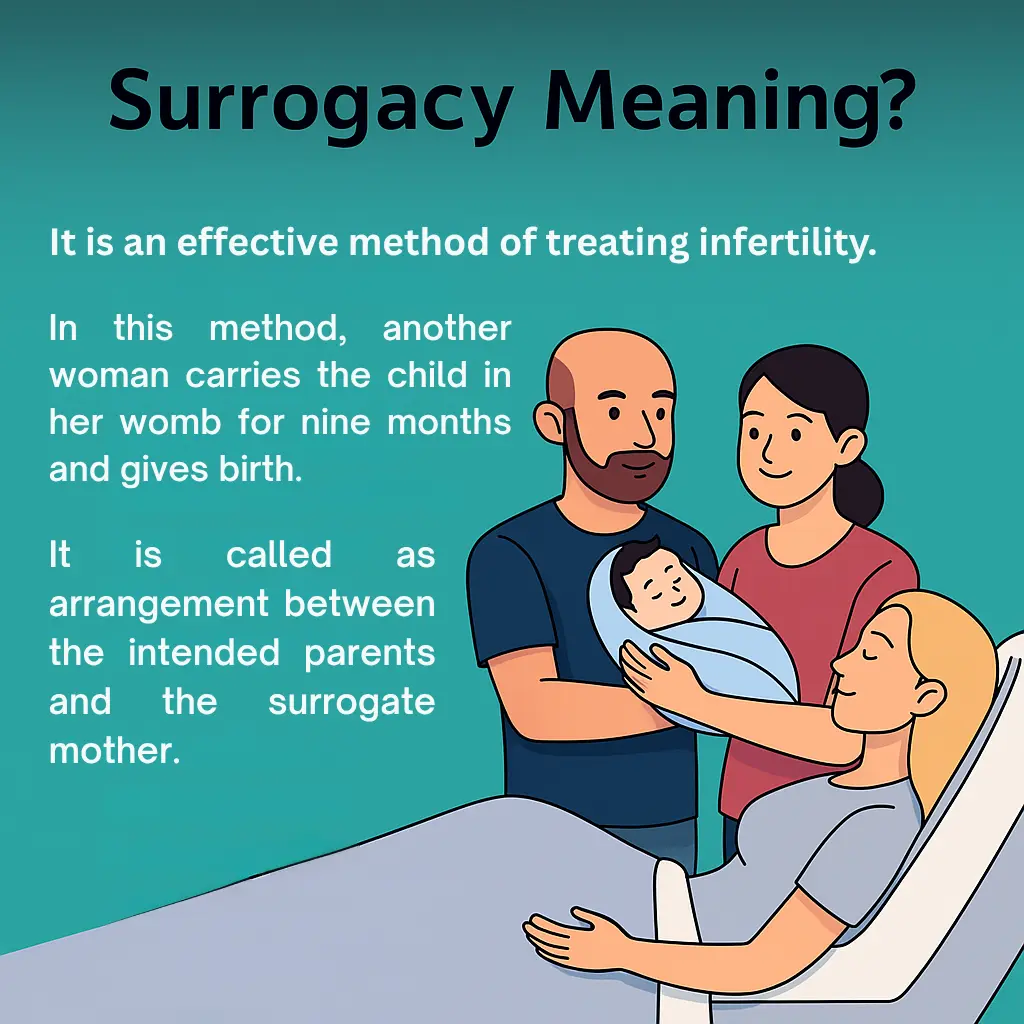
Surrogacy Definition (Surrogacy Meaning)
Surrogacy is an assisted reproductive arrangement in which a woman carries and gives birth to a baby for another person or couple, known as the intended parents. Today, most surrogacy arrangements are gestational, meaning the surrogate has no genetic connection to the child.

Unlike adoption, surrogacy may allow one or both intended parents to have a biological connection to their baby. The process combines assisted reproductive technology (ART), medical care, and legal agreements to help create families safely and responsibly.
There are two main types of surrogacy: traditional surrogacy and gestational surrogacy, with gestational surrogacy being the most common worldwide.
Surrogacy is often chosen by people experiencing infertility, women with medical conditions that make pregnancy unsafe, same-sex couples, and single parents who wish to have a child.
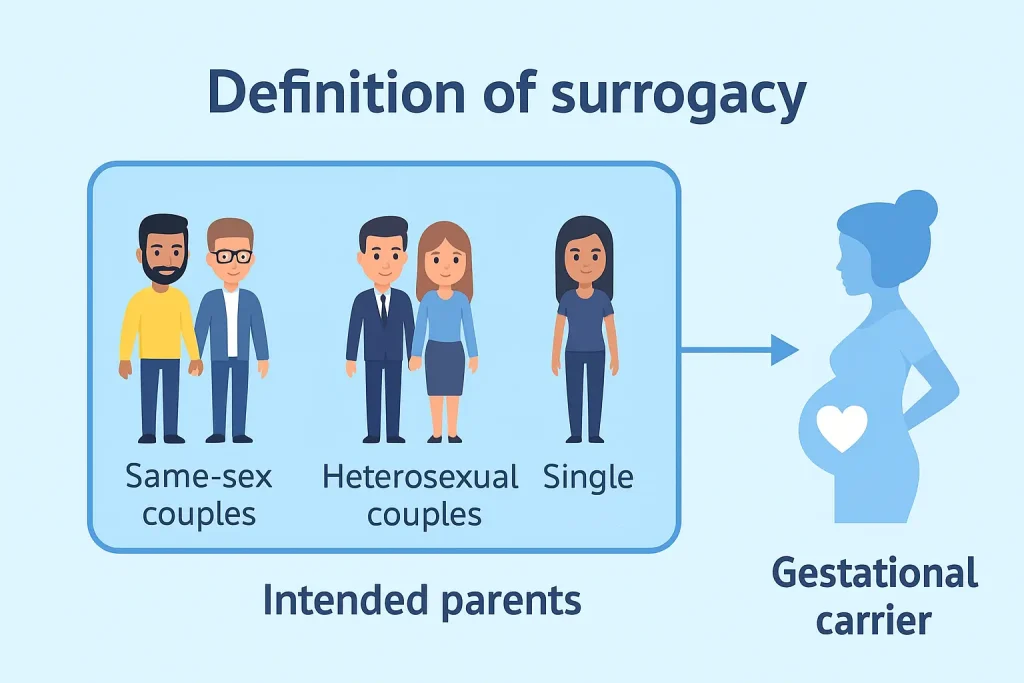
Surrogacy Explained at a Glance
Quick answers to your key questions in 30 seconds
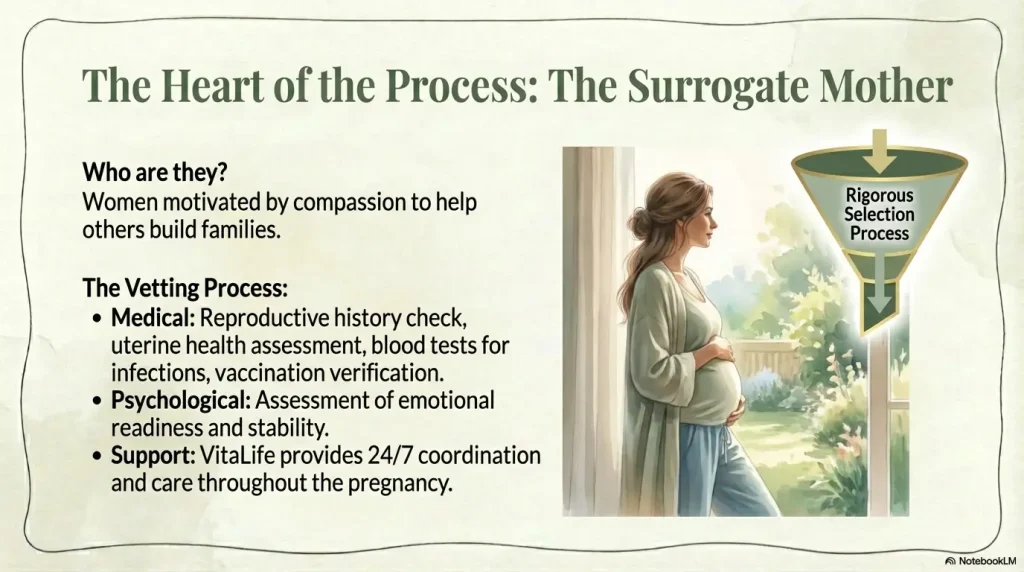
What Is a Surrogate Mother? (Definition & Meaning)
Surrogate mother meaning is simple: a woman who carries and delivers a baby for a person or couple. She plays a central role in the surrogacy journey, providing the physical ability and emotional care required to bring the child into the world.
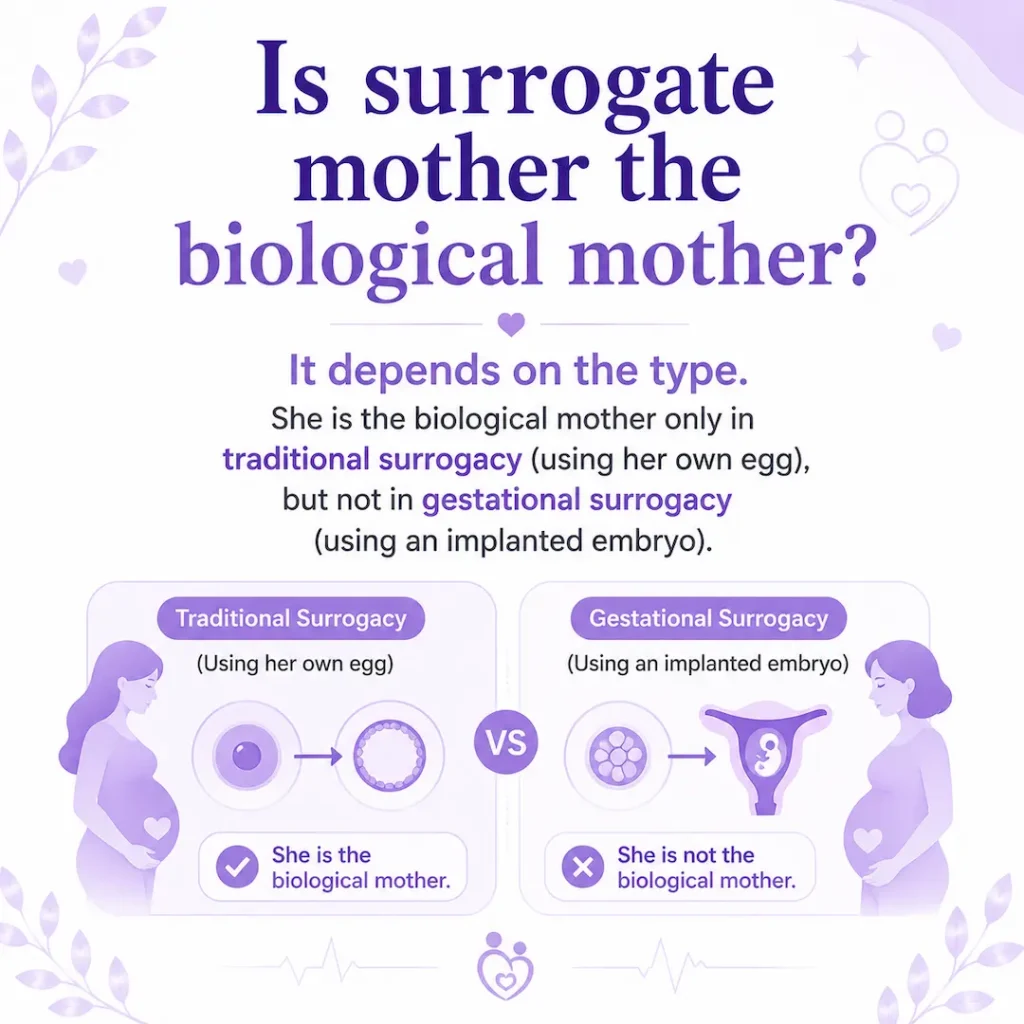
There are two types of surrogate mothers: traditional and gestational. In traditional surrogacy, the surrogate’s own egg is fertilized with sperm from the intended father or a donor, making her both the genetic and birth mother. This method is now uncommon due to emotional and legal complexities.
In gestational surrogacy, an embryo created through in vitro fertilization (IVF)—using the intended parents’ or donors’ egg and sperm—is transferred to the surrogate’s uterus. She carries the baby but has no genetic link to the child. This form of surrogacy is far more common today because it ensures clear parental rights and a smoother legal process for intended parents.
About Surrogate Mothers in Different Languages
A surrogate mother — a term that carries different words in every language, yet the same deep emotion everywhere.
In every culture and tongue, it speaks of selflessness, love, and the miracle of life.
This table shows how the phrase “surrogate mother” is expressed in various languages, reminding us that no matter where they are, surrogate mothers play a deeply meaningful role in helping families grow.

Surrogate Mother Meaning in Different Languages
People around the world search for the meaning of “surrogate mother” in their own language. Below are common translations and explanations.
Surrogate Mother in Different Languages
| Language | Term | Meaning / Description |
|---|---|---|
| surrogacy definition in hindi | सरोगेट माँ | वह महिला जो किसी अन्य दंपती या व्यक्ति के लिए गर्भ धारण करती है। |
| surrogacy meaning in tamil | மாற்றுத்தாய் | மற்றொருவருக்காக கர்ப்பம் தரித்து குழந்தையைப் பெற்றெடுக்கும் பெண். |
| surrogate mother in urdu | سروگیٹ ماں | وہ عورت جو किसी اور کے لیے حمل ٹھہراتی اور بچہ جنتی ہے۔ |
| surrogacy in bengali | সারোগেট মা | যিনি অন্যের জন্য সন্তান ধারণ ও প্রসব করেন। |
| surrogacy meaning in telugu | సరోగేట్ తల్లి | ఇతరుల కోసం గర్భాన్ని ధరించి శిశువుకు జన్మనిచ్చే మహిళ. |
| surrogacy meaning in malayalam | സറോഗേറ്റ് അമ്മ | മറ്റൊരാള്ക്ക് വേണ്ടി ഗർഭം ധരിച്ച് പ്രസവിക്കുന്ന സ്ത്രീ. |
| surrogate mother meaning in tagalog | ina na kahalili (surrogate mother) | babaeng nagdadala ng ipinagbubuntis para sa ibang magulang. |
| surrogacy in nepali | सरोगेट आमा | जो अरूका लागि गर्भ धारण गरी बच्चा जन्माउने महिला हो। |
| surrogate mother malay | ibu tumpang / ibu pengganti | wanita yang mengandung bagi pihak orang lain. |
| surrogacy in punjabi | ਸਰੋਗੇਟ ਮਾਂ | ਉਹ ਇਸਤਰੀ ਜੋ ਕਿਸੇ ਹੋਰ ਲਈ ਗਰਭ ਧਾਰਣ ਕਰਦੀ ਤੇ ਬੱਚਾ ਜनਮ ਦਿੰਦੀ ਹੈ। |
| surrogate mother in marathi | सरोगेट आई | जी इतरांच्या वतीने गर्भधारणा करून मूल जन्माला घालते. |
| surrogacy in sinhala | සරෝගේට් මව / ප්රතිස්ථාපක මව | වෙනෙකාට වෙනුවෙන් ගැබ් දරන හා ළමයෙකු බිහි කරන ස්ත්රීයෙක්. |
| surrogacy in gujarati | સરોગેટ માતા | જે અન્યના માટે ગર્ભ ધારણ કરે અને બાળકને જન્મ આપે છે. |
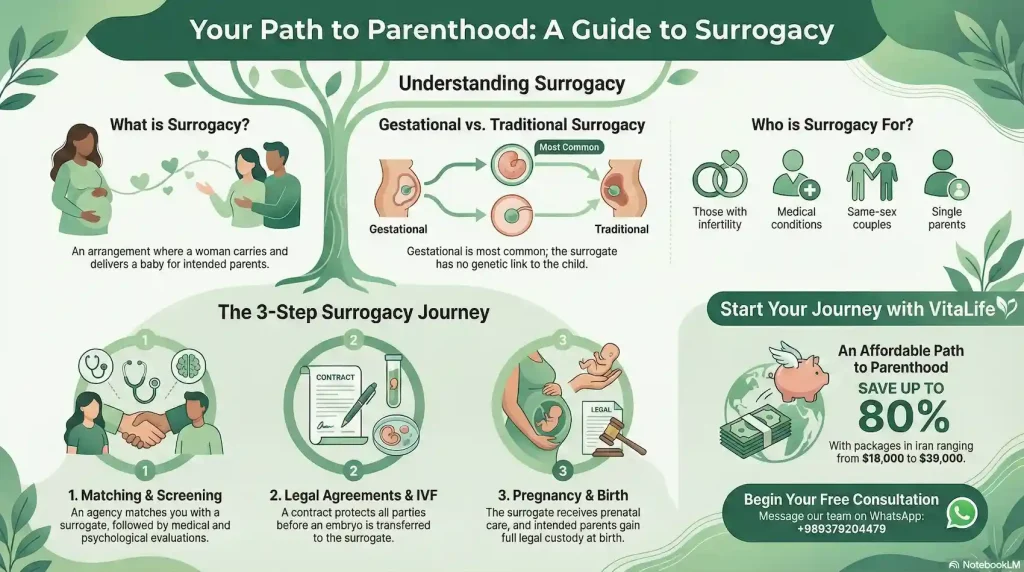
How Does Surrogacy Work? Step-by-Step Overview
Surrogacy is a carefully planned process in which a surrogate mother carries a baby for the intended parents. Most arrangements today involve gestational surrogacy using IVF.
The process typically includes these steps:
- Find a Surrogate – Intended parents work with a surrogacy agency or choose a trusted friend or family member.
- Complete Medical & Psychological Screening – Both the surrogate and intended parents undergo health and psychological evaluations.
- Sign Legal Agreements – A legal contract defines parental rights, responsibilities, medical care, and other important terms.
- IVF & Embryo Transfer – An embryo created through IVF is transferred to the surrogate’s uterus. The surrogate has no genetic connection to the baby.
- Pregnancy & Birth – The surrogate receives prenatal care throughout the pregnancy. After birth, the baby is placed in the care of the intended parents according to the legal agreement.
Who Can Use a Surrogate Mother? (Intended Parents Guide)
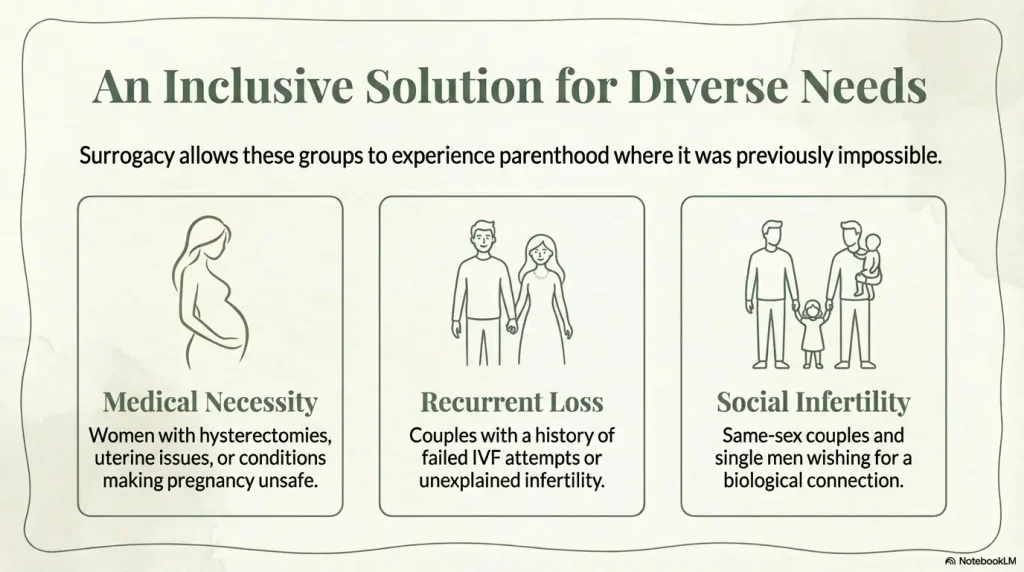
Surrogacy is an option for anyone who cannot carry a pregnancy safely or biologically. Women may consider a surrogate if they lack a uterus, have had a hysterectomy, or face medical conditions that make pregnancy risky. Surrogacy is also a choice after unsuccessful IVF attempts.
Individuals or couples who cannot adopt due to age, marital status, or other limitations may also turn to surrogacy. Same-sex couples and single men can use surrogacy to create biological families, allowing them to experience parenthood in ways that might otherwise be impossible.
Legal Issues With Surrogates
Legal matters are a vital part of surrogacy because parental rights aren’t automatically guaranteed. Laws differ by state, and the landscape continues to evolve as reproductive technology progresses. In some states, intended parents must complete adoption proceedings to gain legal custody. Other states allow a pre-birth declaration of parentage, which simplifies the process and removes the need for adoption after birth.
Hiring an attorney specializing in reproductive law is essential. A thorough surrogacy contract clearly defines the roles and responsibilities of all parties, covering parental rights, medical care, compensation, and potential scenarios like multiple births or complications. A solid contract protects everyone and provides clarity, reducing the risk of legal disputes.
How to Find the Right Surrogate Mother
Finding the right surrogate mother is one of the most important and personal steps in the surrogacy journey. Some intended parents ask a trusted friend or family member to carry their child, which can reduce costs and create a strong emotional bond. However, clear legal agreements are essential to avoid conflicts.
Many others work with professional surrogacy agencies, such as VitaLife. Agencies handle the complex steps of the process, including medical coordination, psychological evaluations, and legal documentation, making it easier for intended parents to focus on preparing for their baby.
How Much Do Surrogate Mothers Get Paid?
Payment for surrogate mothers varies depending on their experience, location, and the specific circumstances of each case. In the United States, the base compensation for a surrogate typically ranges from $55,000 to $90,000. This amount can increase depending on factors such as the surrogate mother’s experience, the number of previous pregnancies, and any special conditions.
In addition to base pay, surrogates may also be reimbursed for extra expenses such as maternity clothing, medical care, and lost wages during pregnancy. Some agencies offer compensation packages that cover these additional costs to ensure the surrogate mother is fully supported financially.
Ultimately, the final payment to a surrogate depends on the contractual agreement and the unique details of each arrangement. It’s crucial that all financial details are clearly documented in the contract to prevent misunderstandings.
What is surrogacy?
Surrogacy is an arrangement in which a woman (the surrogate) agrees to carry and give birth to a baby for another person or couple, known as the intended parents.
Is a surrogate mother the biological mother?
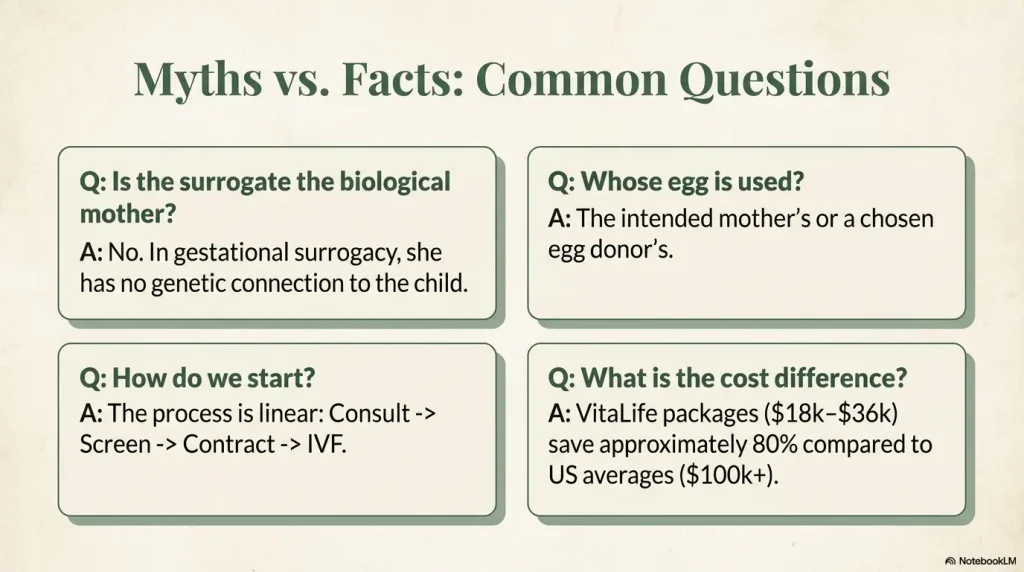
No. In gestational surrogacy, the surrogate mother carries the baby but has no genetic connection. The biological mother is the woman who provides the egg, either the intended mother or an egg donor.
Whose egg is used in surrogacy?
In most cases, the intended mother’s or a donor’s egg is used in surrogacy. The surrogate only carries the baby and does not share a genetic connection with the child.
How does surrogacy work?
Surrogacy works by fertilizing an egg from the intended mother or a donor with the intended father’s or a donor’s sperm through IVF, and then transferring the embryo to the surrogate’s uterus to carry the pregnancy.
Surrogacy How Much?
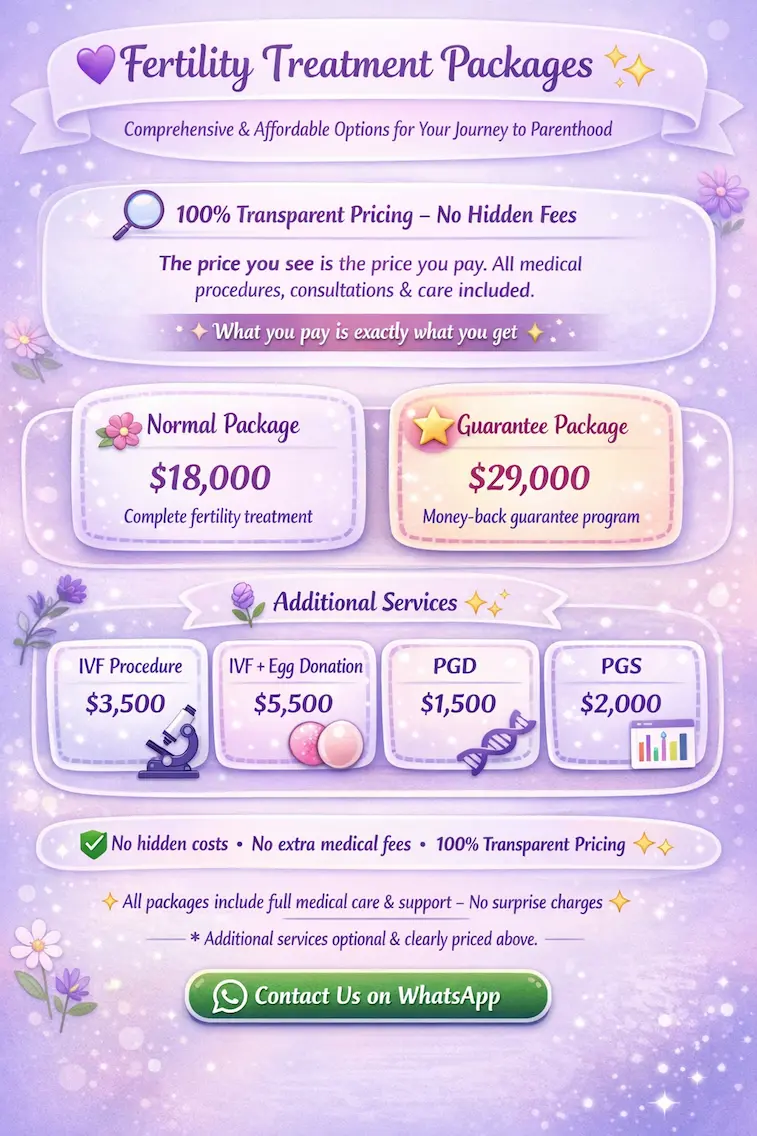
Surrogacy costs vary worldwide, often $80,000+. At VitaLife, our affordable packages range from $18,000 to $28,000, offering a quality option at lower prices.
What is Surrogacy Pregnancy?
A surrogacy pregnancy is when a woman, called a surrogate, carries and gives birth to a baby for someone else, usually the intended parents, following a legal and medical surrogacy arrangement.
In Surrogacy, Who Is the Biological Mother?
In gestational surrogacy, the intended mother or an egg donor is the biological mother, while the surrogate carries the pregnancy but has no genetic link to the child.
How to Start Surrogacy Process?
To start the surrogacy process, intended parents typically consult a surrogacy agency, such as VitaLife, complete medical and psychological evaluations, and establish a legal agreement with a surrogate before beginning IVF and embryo transfer.
Why Surrogacy Is Good?
Surrogacy is a good option for individuals or couples who cannot conceive or carry a pregnancy, allowing them to have a biological child safely while ensuring legal protection and emotional support throughout the journey.
Do you want to start your surrogacy in Iran for $18,000? We are here to help you. At VitaLife, we make surrogacy in Iran simple and clear. We guide you through every step.
- To begin, just send a WhatsApp message to: +989379204479
- Send us a message today and let us help you build your family.
Surrogacy can be a life-changing path to parenthood if you cannot carry a pregnancy yourself. Understanding the surrogate mother meaning, as well as how do surrogates work and how surrogate works, is a vital first step.
This journey involves medical, legal, and emotional steps, so having the right plan and professional guidance is key. Working with experienced agencies like VitaLife helps make the process much smoother.
With the right support, surrogacy can turn the dream of a family into a reality. Learning what’s a surrogate or what’s a surrogate mother will help you make informed choices and feel confident about the road ahead.